You Have Enough Money. You Just Don't Believe It Yet.
The SECURiMENT™ Method is a Fiduciary Planning Process helping DIY investors with $500K+ stop running calculations and start enjoying the retirement they spent 30 years building.
Do You Have a Plan
You Can Truly Trust?
Most people who come to us aren't in financial trouble. They're in psychological trouble.
They've done everything right — saved diligently, invested wisely, avoided bad decisions — and now they're standing at the edge of retirement unable to spend a single dollar of it.
It's not a math problem, it's a permission problem
That's where the SECURiMENT™ Retirement Plan comes in...
a one-time, fiduciary analysis of your income, taxes, investments, and spending

Fiduciary-First
We don't seek to sell you products or manage your assets. Truly independent advice...
and we will put that in writing

Clarity in 48 Hours
We begin sharing your initial planning insights within 48 hours of receiving
your personal information.

Ongoing Support
Your plan evolves as your life does. With the Freedom Blueprint and SECURiMENT™ Blueprint options, we update your plan, as part of your original investment
Simply Answer A Few Questions
Below To Start The Process
Watch the short video below, then complete the form to see if this is a fit.
If it is, you’ll be able to schedule a time to talk.
Before You Look at Our Plans — Watch This First
In just a few minutes you'll understand exactly what each plan covers, why the questions we answer matter, and which option is likely right for your situation.
The chart below shows every deliverable, across all three tiers.
If the video resonated, this is where you figure out which plan fits where you are right now.
Plan Options
Your Investment and Our Promise
Most financial planning firms charge $10,000-15,000 or more upfront plus ongoing retainer fees.
They delay their work out with complexity so you throw your arms up in despair and ask them to manage your money for a fee.
We don't do that. We have 3 focused solutions to help you gain the clarity you need. Without ongoing fees
A focused, 30-day process designed to bring clarity and confidence to your future. Here's what you can expect
| TIER 1 Permission Blueprint $2,000 | TIER 2 Freedom Blueprint $3,500 | TIER 3 SECURiMENT™ Blueprint $6,000 | |
|---|---|---|---|
| SPENDING & INCOME BLUEPRINT | |||
| Retirement goals review — aligning your expectations with your reality | ✓ | ✓ | ✓ |
| Safe withdrawal rate for your situation | ✓ | ✓ | ✓ |
| Year-by-year income map across retirement | ✓ | ✓ | ✓ |
| Spending ceiling + guardrails | ✓ | ✓ | ✓ |
| Social Security timing analysis | ✓ | ✓ | ✓ |
| TAX STRATEGY MAP | |||
| Withdrawal sequence | — | ✓ | ✓ |
| Roth conversion strategy | — | ✓ | ✓ |
| Tax bracket management — identifying your annual sweet spot | — | ✓ | ✓ |
| RMD projection + IRMAA assessment | — | ✓ | ✓ |
| PORTFOLIO STRUCTURE | |||
| Bucket-by-bucket breakdown | — | ✓ | ✓ |
| Sequence of returns risk analysis | — | ✓ | ✓ |
| Growth allocation + target allocation | — | ✓ | ✓ |
| Investment statement review + recommendations | — | — | ✓ |
| STRESS TESTING | |||
| Market crash simulation | — | — | ✓ |
| Inflation + longevity scenarios (to age 95) | — | — | ✓ |
| Best / base / worst case side by side | — | — | ✓ |
| ACTION PLAN | |||
| Prioritized action plan | ✓ | ✓ | ✓ |
| 2-year plan updates included (Bi-annually) | — | ✓ | — |
| 3-year plan updates included (Quarterly) | — | — | ✓ |
| Best for... | "Permission to spend" | Spend + tax freedom | Complete SECURiMENT™ |
What People Say
About SECURiMENT™
★★★★★
"I did all the “things” I was told to do: investing in my company's 401K, etc. But I still had NO IDEA what I would need for retirement and the future as one of my financial fears. Darryl helped me understand how to use my resources to set myself up for a retirement where I WOULD NOT worry about my future!"

Sara & Troy
★★★★★
"I am so happy to be working with Darryl Rosen. I appreciate that he reaches out regularly to review my portfolio and answer my questions. He is extremely knowledgeable and always a pleasure to talk to. Darryl has provided me more peace of mind and I have been happy with the performance of my portfolio."

Janet
★★★★★
"Darryl’s $$ plan and decisions are always in my best interests. He does for me what he does for his own family. And he always checks with me and plans with me the money moves to make given where I am at in my life and what’s happening in the market."

Lynne & Bob
★★★★★
"After attending Darryl's class and then meeting with him, I knew I was in good hands. I met with several financial advisors prior to that time, but never walked away with a sense of really understanding next steps. Darryl made things easy to understand, he created an action plan we could act on.

Jinny
★★★★★
"Since working with Darryl over the past 4 years, it’s clear he was the right choice. He has an understanding of how to balance capital preservation with delivering a return on investment. He understands our needs, and he speaks with us regularly. As a bonus, he is a nice guy and fun to work with!"

Jeff & Jean
★★★★★
"As I enter the next chapter of my life, I have my grandchildren to keep a smile on my face! So that we can continue to spoil them, my husband and I trust Darryl to manage our investments and help us securely reach our financial goals.”

Why Darryl Rosen
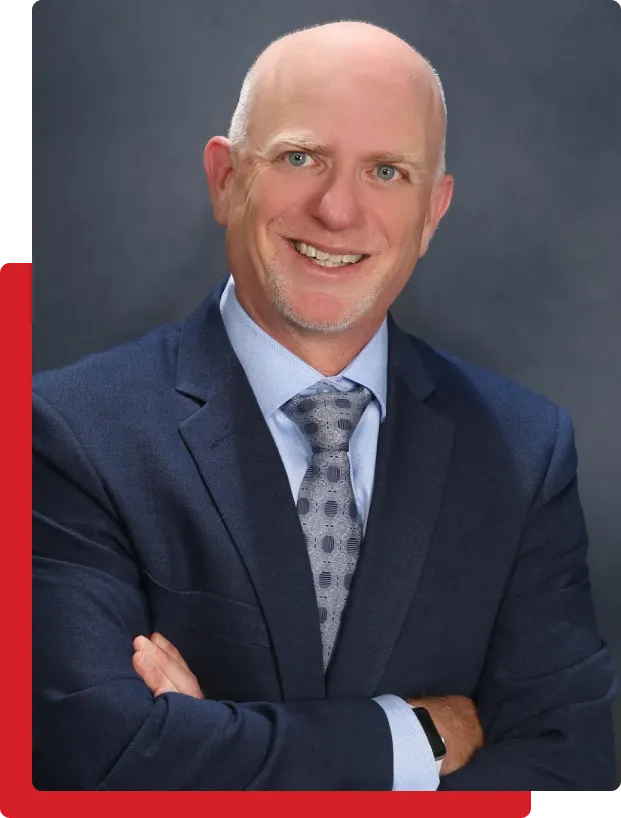
Darryl isn’t just a financial planner who has helped hundreds of families navigate retirement
He’s a former business owner, President, and CFO who helped grow his family’s business from $14 million to over $50 million in revenue—before making the difficult decision to sell.
That moment should have created freedom and security. It didn’t.
Without a coordinated plan, he made the same mistakes many successful people make—no clear income strategy, no tax plan, too much exposure to the market, and too much guesswork.
Then the 2008 market crash hit.
And everything changed. Watching his financial picture deteriorate in real time…feeling out of control… realizing how fragile things can be without a plan—
That experience became the turning point. It changed how he thinks about money—and led to SECURiMENT™.
Not as something to keep growing…but as something designed to support your life, your family, and your future.
Today...
Darryl’s work is focused on one thing: Helping people avoid the same mistakes…reduce uncertainty…and move forward with clarity, confidence, and fewer regrets.
The Biggest Retirement Mistake? Waiting Too Long to Fix It.
Every year you delay could mean thousands lost to taxes, missed investment growth, and unnecessary risks. The SECURiMENT Process lets you correct course before it’s too late.